South West Public Health Observatory



|
South West Public Health Observatory
|
|
| Teenage parents and housing need: a review of need and availability in the South West | |
2 Estimating teenage parents’ housing need in the South West
Having considered the policy context and previous research about teenage parents and housing need, we now turn to the situation in the South West region. In this section we use secondary data to estimate various dimensions of housing need for teenage mothers, and how many teenage mothers there are in the region.
2.1 Health visitor dataA survey of 10,015 households with children under five in Torbay, Devon (Kinra, 2000) gives some insight into the housing conditions of teenage mothers in the region. In South Devon Healthcare Trust health visitors have been routinely collecting data from households since 1995. The questionnaire is designed to help determine case loads and contains information on a range of health and social factors. The questions are modified from Shepherd (1992). Sixty-one of the respondents were under 18 at the time of collection; unfortunately in this sample it is not possible to distinguish those who were teenagers when they gave birth and so it is only the 61 most recent teenage mothers about whom we have information.
Those mothers under 18 were compared to all other mothers on three self-defined indicators of housing situation – 'poor housing having a detrimental effect', 'temporary accommodation', and 'frequent change of address' (three times or more in the last year). Six per cent (632) of all mothers live in one or more of these situations (106 in all three, 228 in two). This compares to 36% of those under the age of 18 who answered 'yes' to one or more of these housing questions (statistically significant using the chi-square test of association, a = 0.05). Specifically these distributions, all of which are statistically significant were:
¡ 13% of under-18s had frequent moves, compared to 2% of all others.
¡ 21% of under-18s lived in temporary accommodation, compared to 3% of all others.
¡ 15% of under-18s lived in poor housing, compared to 3% of all others.
In addition, 54% of mothers under the age of 18 were on a low income (i.e. dependent on benefits) compared to 19% of other mothers (also statistically significant). These figures indicate that mothers under the age of 18 are much more likely than older mothers to experience housing problems, although it is important to note that the majority of younger mothers did not experience these problems.
2.2 Children of the 90s (ALSPAC)The Avon Longitudinal Study of Parents and Children (ALSPAC), also known as 'Children of the 90s', is a unique and highly detailed study that has been following the health and development of some 14,000 children who were born in Avon between 1991 and 1992. The study links together information from a variety of sources including examination of the children, questionnaires completed by parents, health records, assays of biological samples and specific measurements of the environment in the home. A team of researchers use these data to test hypotheses on the causes and prevention of childhood ailments and disorders. Data were first collected some ten years ago, ALSPAC is therefore a data source from which we can learn about how teenage mothers living in a part of the South West region compare to older mothers in terms of their housing situations in the recent past.
For more information on Avon Longitudinal Study of Parents and Children (ALSPAC) see: www.ich.bris.ac.uk/alspac.html
Here we have analysed data from five of the series of questionnaires completed by the mothers, from early pregnancy (8 weeks gestation) to when the child was 21 months old. Looking at this time period, a total of 28 months, means we can see some of the changes in the housing situations of the mothers. For this analysis the sample is restricted to those who gave birth to singletons that survived to 12 months, which gives a total of 13,716 mothers in the sample. We compare the mothers who were aged between 15 and 17 years at the time their child was born with those who were over 18 years (referred to as 'younger' and 'older' mothers). Just 184 of the mothers fell into this younger category and data were collected from 160 of them at the first phase and from 12,726 of the older mothers; thus 1.2% of the mothers fall into the younger category. Unfortunately (but not surprisingly) these younger mothers were much more likely to be lost from the study's follow-up than the older mothers – by the time the child was 21 months old only 50% of the younger mothers were left in the sample compared to 79.4% of the older mothers. Interpretation of results from the later waves of data collection should therefore be treated with caution. Where differences are reported, these have been found to be statistically significant using the chi-square test of association (a = 0.05); however, the prevalence of small cells in some tables means that differences should be seen as indicative only.
Early pregnancy (8 weeks gestation) (160 younger mothers; 12,726 older mothers)
Not surprisingly, at the stage of early pregnancy older mothers are much more likely to be living in owned or mortgaged accommodation (74%) than the young mothers (34%). Younger mothers were most likely to be living in council rented accommodation (41% compared to 14% of older mothers). Nine out of ten of the older mothers lived in their own home, and just 5% with their parents, whereas only 8% of the younger mothers lived in their own home, 72% lived with their parents and 20% in 'other' arrangements. This is in line with research findings outlined in the previous section (1.3).
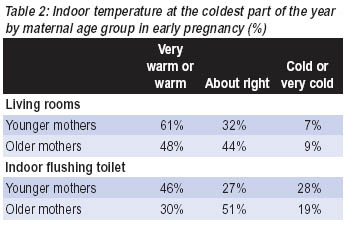
In terms of the quality of housing, this phase of the ALSPAC study collected a number of indicators that tell us about the condition of the mothers' housing. Table 2 indicates that the younger mothers are more likely to report warm or very warm living rooms; further cross-tabulation (not shown) indicates that those who are warmest are living with their parents. For bedrooms though the picture was more mixed, as younger mothers were more likely to report the temperature as too hot or too cold. Older mothers were more likely to have central (or storage) heating: 85% compared to 76% of younger mothers. Interestingly, younger mothers were less likely to report that their home was damp or had condensation or mould – 37% compared to 48% of older mothers. Further cross-tabulation (not shown) to investigate whether young mothers not living with their parents were more likely to be living in housing where damp, condensation or mould were a problem revealed that this was not the case, in fact those living with parents were most likely to report this as a problem (40% compared to 32% who were living in their own home). However, as nearly half (48%) of older mothers reported damp, condensation or mould to be a problem, this suggests that these conditions are commonplace and that this issue does not distinguish those living in truly poor quality housing.
In terms of facilities, questions about the home indicate that the young mothers are much more likely to be sharing facilities, whether this is a kitchen, a toilet, hot water or a bathroom (see Table 3). However, as there was no precise definition of 'shared facilities' given in the questionnaire this could include a range of different living situations, including living with parents, bed and breakfast or hostels. While 90% of older mothers (or their partner) have access to a car, only 39% of younger mothers have access to a car. There was little difference in whether they felt satisfied with their home, 58% of the younger mothers were satisfied compared to 64% of the older mothers. However, younger mothers were considerably less likely to say their neighbourhood was a 'very good place to live' – 19% compared to 41% of older mothers. Younger mothers were also more likely to say that they were worried about burglary, mugging, sexual assault or vandalism to property and less likely to report their neighbourhood as friendly, clean or attractive.
Most of the younger mothers had a partner of some kind at this stage – when asked whether they currently have a partner only 21% said 'none'; 40% of the younger mothers reported that their partner lived with them, compared to 94% of older mothers.
Late pregnancy (32 weeks gestation) (133 younger mothers; 12,046 older mothers)Only a few questions in the questionnaire administered during late pregnancy related to housing. By this time many of the younger mothers had moved – only 69% were in the same home as at the start of their pregnancy compared to 87% of older mothers. The younger mothers were also much more likely to have been homeless during their pregnancy – 12% compared to 2% of older mothers.
New baby (8 weeks old) (121 younger mothers; 11,440 older mothers)In the questionnaire given to mothers at this stage there were some questions regarding 'the help and support' that the mothers felt they had. The younger mothers were more likely to say they have no one to share their feelings with and that they were worried that their partners might leave. The younger mothers were also less likely to say that there were other mothers they could share their experiences with and are less likely to consider that their neighbours would help them out in moments of difficulty.
However, when asked about actual, existing help with household tasks the younger mothers were getting more help with activities such as shopping, cleaning, preparing meals, washing clothes and changing nappies (though interestingly not washing up – perhaps reflecting their continued role as 'teenagers'?). Interestingly, while 73% of both younger and older mothers were satisfied with the amount of help they got, more of the younger mothers who were dissatisfied thought they had too much help (10% compared to 1% of older mothers) whereas 26% of older mothers thought they did not have enough help (compared to 17% of younger mothers). This may indicate a desire for a greater degree of independence among some of the younger mothers, and the delicate balance that they may be trying to achieve – utilising help from family but also have a degree of autonomy.
When baby was 8 months old (105 younger mothers; 10,968 older mothers)By this time slightly more of the older mothers were living in owner occupied housing (78% compared to 74% in early pregnancy) but fewer of the younger mothers were living in owner occupied housing – 20% compared to 34%. Accordingly, more of the younger mothers were living in local authority housing (52% compared to 41% before), indicating that some have moved out of the family home. This is confirmed by the fact that 72% of the younger mothers lived with their parents in early pregnancy and this had fallen to 46% some 15 months later. However, of those now not living with their parents most were living on their own with their baby (46%) and only 8% were living with a partner. This is in line with the findings of Allen et al (1998) cited above.
Table 4 shows that many of the younger mothers continue to share facilities at this stage. Access to a car was still far higher for older (91%) than for younger mothers (35%). However, younger mothers were still less likely to report that their home was damp or had condensation or mould – 41% compared to 48% of older mothers. At this time 47% of younger mothers were satisfied with their home, compared to 60% of older mothers.
Younger mothers were less likely to say that their neighbourhood was a good place to live (22% compared to 44% of older mothers) and more likely to say it was 'not very good' or 'no good' (26% compared to 8%). Younger mothers were more likely to report the traffic in their street as very busy or busy (35% compared to 21%). In terms of 'help and support' the younger mothers were still more likely to say that they had no one to share their feelings with and less likely to say that there were other mothers they could share their experiences with or to think that neighbours would help in times of difficulty. However, they were equally likely to say family or friends would help if they were in financial difficulty – another indication perhaps that for some material assistance is more forthcoming than emotional support.
Toddler (baby 21 months old) (80 younger mothers; 10,110 older mothers)
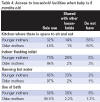
Table 4: Access to household facilities when baby is 8 months old (Click to see table)By this stage in the research process most of the 'younger' mothers who were under 18 at the time of the birth will have been over 18. In this questionnaire some additional questions about family and friends were asked. Younger and older mothers were equally as likely to say that they see relatives at least twice a year and they report a similar number of friends. They are also equally likely to have a close circle of friends, report a similar number of people they could talk to about personal problems or discuss an important decision with. They were equally likely to say that family or friends would help in times of trouble (although the older mothers had more people they thought they could borrow £100 from) and met with family and friends with similar frequency. Thus by this stage emotional and social support seem to be more forthcoming. Alternatively, those with most support were those remaining in the sample whereas those with problems have dropped out. Interestingly, this might also suggest that independent (social) housing does not necessarily lead to increased social isolation.
At this stage 79% of older mothers were in owner occupied housing but only 13% of younger mothers were – whereas 57% were in local authority accommodation, again suggesting moves away from the parental home for these younger mothers; only 14% of younger mothers were living with their parents. 72% of the younger mothers were living with a partner, compared to 97% of the older mothers. By this stage fewer of the younger mothers are sharing facilities, though sharing was still apparent for a small number of this group but not among the older mothers. More now had access to a car – 47% of younger mothers compared to 93% of older mothers. However, the younger mothers are still less likely to be satisfied with their home, 40% compared to 61% of older mothers.
Summary
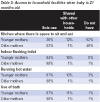
Table 5: Access to household facilities when baby is 21 months old (Click to see table)The high rate of loss to follow-up for these young mothers from the study – over the two year period only half of the younger mothers were left in the sample compared to four out of five of the older mothers – means that we should interpret these results tentatively.
The conditions of many younger mothers seem to be fairly good in terms of their physical environment – homes are warm and they receive help with household tasks. This is particularly so during pregnancy and soon after birth, and is likely to reflect the fact that many live with their parents. It is of concern, however, that a sizeable minority experienced homelessness during pregnancy, which could present extreme material and emotional hazards. Interestingly, a few younger mothers feel that they received too much help with household tasks, perhaps reflecting a desire for greater independence. The younger mothers often had to share facilities such as kitchens and bathrooms with other households, whereas few of the older mothers have to do this. When their babies are young, younger mothers are more likely to report lower levels of emotional and social support and higher dissatisfaction with their home and also with their neighbourhood.
This mixed picture suggests that we need to distinguish between the quality of the home and wider environment in material terms and in terms of social and emotional support. A 'home' is about more than housing; sharing facilities does not necessarily mean sharing friendship or receiving support. By the time these children were toddlers many of the differences between the younger and older mothers in terms of emotional and social support had subsided suggesting that during these first two years of parenting there is scope for the enhancement of support. Independence is also an issue for these younger mothers, as many had to share facilities and have not had access to a car, putting restrictions on their activities of daily living.
These findings for Avon and the previous literature review suggest that 'housing' and 'support' interact in complex ways for this group. For many teenage mothers the crucial feature of their housing is not its proximate physical condition, but the quality of the area in which they live more generally – and perhaps as few of them had access to cars the importance of this immediate living environment is intensified. In addition, the role of, and proximity to, informal support seems to be crucial. As reported in other studies, these teenage mothers are more likely to be living with their parents before and just after pregnancy, but it does not mean that they are living in optimal conditions – while it brings financial and practical support, this is at the cost of autonomy. The provision of housing and support, whether formal or informal, to this group will thus need to take account of these complexities.
2.3 Estimating the number of teenage mothers in the SW region and extrapolating housing needIn order to estimate the potential amount of need for supported housing for teenage parents that may exist in the SW region (and in England more generally) it is necessary to first know how many teenage parents there are in the region. While debate and policy refer to 'teenage mothers' (and more rarely 'teenage parents'), the available statistics refer to the number of conceptions, sometimes broken down into maternities and terminations, by age of mother. These are usually presented as rates per 1,000 women per year. These statistics can be used (see below) to estimate the number of teenage mothers in the region, taking into account not only those who had babies this year (the incidence of births to teenage mothers), but also those who had babies last year but are still teenagers, and so on, to produce a total number of teenage mothers (the prevalence of teenage motherhood).
However, this model does not take into account parity. Contact with ONS confirmed that it is not possible to identify from records if a teenage woman has more than one child while still a teenager, principally because maternal information is not linked; only information relating to the child can be linked (using NHS number). The information that is collected concerning number of previous children only covers married women and as we have seen this category would not contain the majority of teenage mothers. Therefore for those who have more than one child as a teenager some double counting may occur. In addition, the following method does not take into account infant mortality.
Data from Regional Trends for the South West in 2000 Table 3.12 gives the total number of conceptions to women aged under 18 as 3092, of which 55.4% led to maternities (and 44.6% to terminations). That gives 1713 maternities in the region that year, but does not include those who had a baby last year but are still teenagers.
Regional Trends for 2000 Table 3.12 also gives the rate of conceptions to women under 18, using ages 15–17 years as the denominator, as 35.6 per 1,000 women. As 55.4% lead to maternities, this gives a pregnancy rate of 19.7 per 1,000. This can be multiplied by population data and should equal the total (1713) above.
Population data for 1999 (revised after the 2001 census) for the region gives 139,400 females aged 15–19. Pro rata, this gives 83,640 aged 15–17 (27,880) in each individual age-year). At a rate of 19.7 this gives 1,648 maternities to 15–17 year olds – a figure fairly close to the 1,713 total above (some difference may be due to the population estimate revisions). Some of this 'shortfall' may also be births to women under the age of 15 years. There are thus approximately 1,700 maternities in this group per year.
Table 3.12 also gives the rate of maternities to women aged 15–17 years in the South West as 19.7 compared to 24.4 in England and Wales, giving a rate ratio of 0.81. The total number of conceptions leading to maternities for England and Wales (2000) was 23,072.
Alternatively, using Table 12.2 from FM1 Birth Statistics (conceptions and abortions, 1989–1999, by teenage years per 1,000 women under 16–19 years, number and rates) the total number of births to women aged 15–17 (1999) in England and Wales was 22,978 – very similar to the number above (the totals are just one year apart). Usefully for these purposes, the table also gives for England and Wales conception rates for individual years of age, as in Table 6.
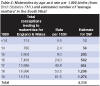
Table 6: Maternities by age and rate per 1,000 births (from Birth Statistics FM1) and estimated number of "teenage mothers in the South West (Click to see table)An estimate of births to teenagers for the South West can be made from these data, in conjunction with population data, from: the rate, multiplied by number of women (29,660 for 10–14 year olds and 27,880 for 15–19 i.e. the approximate number of females in each age-year) divided by 1000. This is then multiplied by 0.81 – to take into account the lower rate in the South West compared to England and Wales as a whole. This gives 4,336 (new) teenage mothers in the region, 1,666 of whom were aged 15–17 – very close to the 1,648 above.
But, this figure only includes births to young women in one year (incidence), so if we want to know the number of teenage mothers under the age of 18, and assuming that the rates are fairly static in the short term, we need to add this year's births to those from women who gave birth in the previous year but are still teenagers, as in the following table. As the policy on supported housing relates to those under 18, we restrict this calculation to that age group.
This total comes to: 2,906 mothers under 18 in the region. How many of these women are lone parents is difficult to determine, and is likely to be subject to change in the short term, as figures stated above demonstrate. However, through this method we can estimate that there are approximately 2,900 teenage mothers in the region. A simplified version of this method is included in the toolkit below.
Extrapolating housing needExtrapolating from the figures indicating housing conditions and among teenage mothers, and from the estimation of the number of mothers under the age of 18, suggests:
Based on the Torbay Health Visitor data:
¡ 377 (13%) would have moved three or more times in the last year
¡ 609 (21%) would live in temporary accommodation
¡ 435 (15%) would be living in poor housing
¡ 1,566 (54%) would be living in a low income.
Alternatively, figures from the ALSPAC data suggest:
¡ 2,088 (72%) live with parents
¡ 232 (8%) live in their own
¡ 580 (20%) live in other arrangements
¡ 1,073 (37%) live in housing where damp, condensation and mould are a problem
¡ 1,334 (46%) share a bathroom
¡ 1,769 (61%) do not have access to a car
These extrapolations, while obviously not definitive estimates, do give some guide of the absolute amount of housing need for this group in the region.
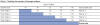
Table 7: Totalling the number of teenage mothers (Click to see table)2.4 Current availability of supported housing in the South West
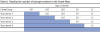
Table 8: Totalling the number of teenage mothers in the South West (Click to see table)In this section we estimate the current availability of supported housing in the South West, as this is important for measuring progress towards policy goals. Local authorities have been running audits of available supported housing provision in line with the SEU and Supporting People programmes (see section 1.2). Supporting People data have not yet been made available to teenage pregnancy strategy agencies. At present, Local authorities' Housing Investment Programme (HIP) audit data have been made available to the TPU, yet these data are patchy. It is therefore not possible at present to provide a rigorous and comprehensive overview of the availability of supported housing for teenage parents in the South West, or indeed in other parts of England.
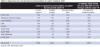
Table 9: supported and unsupported accommodation by region, England, 2001 (Click to see table)Bearing in mind these reservations, a look at the HIP data nevertheless indicates variable provision across England. Table 9 shows that whilst over 6,000 supported accommodation units were occupied by lone parents under 18 in England in April 2001; during the period April 2000–April 2001, almost 2,500 teenage lone parent under 18 were let unsupported local authority accommodation. In June 2002 the Government envisaged that on the basis of this audit 2000 new units of supported accommodation for teenage parents would be needed to meet the 2003 SEU target (DoH 2002). Table 9 also indicates that the South West fares better than other regions in the year 2000–2001 with 237 units with on-site support. However, only three units have floating support (perhaps indicating poor quality or missing data) and 74 new local authority lets were made to teenage parents under 18 in unsupported accommodation.
Comparing this figure of 240 units with support in the South West to the figure of 2,900 teenage mothers under the age of 18 in the region suggests that there is a significant shortfall of provision. Even though not all these young mothers will need or want formal support there is currently provision for less than one in ten. The low number of LA lettings to lone teenage mothers under the age of 18 also suggests that either data quality is very poor, or that this group are having problems in accessing this form of housing. These figures thus give a rather negative view of the situation.
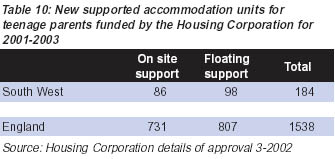
A more positive reason for why it is at present difficult to offer a comprehensive overview of the availability of supported housing for teenage parents in the South West, is the changing situation in response to the SEU 2003 target. New funding for supported accommodation has been made available via the Housing Corporation, and their data give us an indication of newly funded provision. Table 10 shows that in England over 1500 new supported accommodation units for teenage parents have been funded under the 2001–2003 grants. In the South West 184 new units will be provided, made up of roughly half with on-site and half with floating support.
Due to the lack of comprehensive HIP data, it is not possible to make any definite conclusions as to whether these newly funded projects, when added to existing provision, will be enough to meet the SEU 2003 supported accommodation target. Although this new provision is an important step in the right direction, it remains unlikely that teenage parents' diverse housing need will be met by this new provision and the SEU supported housing action. This is because these assessments are based on the number of teenage parents who have applied for housing. Therefore these figures cannot tell us about those teenage parents whose housing need remains unmet because they do not apply for housing. The latter is a key concern that this research aims to explore and is the focus of the next section.